Still on My Mind: Integrating a Unique Handwritten Font into Creative Workflows
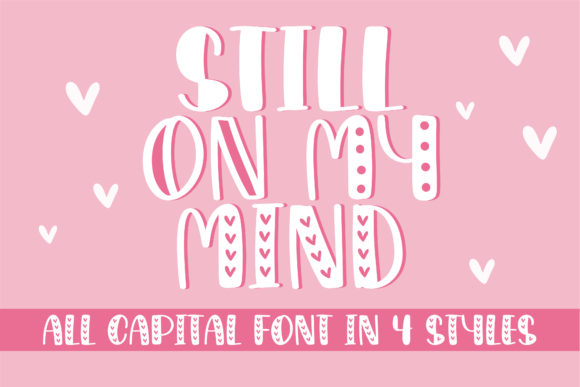
In the landscape of digital design and creative production, finding a typeface that balances distinctiveness with functional clarity is often a challenge. Still on My Mind emerges as a solution for professionals who need to inject personality without sacrificing readability. This all-capital handwritten font offers four distinct styles—solid, outline, dotted, and heart—that cater to specific aesthetic needs while maintaining a cohesive brand identity. Unlike standard serif or sans-serif typefaces used in corporate reports, this font brings an organic, human touch to projects ranging from Valentine's Day marketing campaigns to personal craft initiatives.
The true value of Still on My Mind lies not just in its visual appeal, but in how it fits into broader operational processes. For entrepreneurs, educators, and freelancers, typography is rarely an afterthought; it is a critical component of communication strategy. When integrated correctly, a font like this can elevate the perceived quality of a deliverable, signaling care and attention to detail. Whether you are designing a high-end wedding invitation, creating a social media graphic for a small business, or organizing a classroom activity, understanding where this font fits within your workflow is essential for maximizing its impact.
Understanding the Four Styles and Their Functional Applications
To implement Still on My Mind effectively, one must first understand the nuances of its four available variations. Each style serves a different purpose depending on the context of the project and the medium through which the content is delivered.
- Solid Style: This is the most versatile option for general use. The filled letters provide strong contrast against white or light backgrounds, making them ideal for headlines, primary text blocks, and call-to-action buttons. In a business workflow, the solid style ensures legibility even at smaller sizes, making it suitable for email newsletters or blog post headers where quick scanning is necessary.
- Outline Style: Perfect for layering effects, the outline variant allows designers to place text over complex images or dark backgrounds without losing visibility. This style is particularly useful in video editing workflows or when creating overlays for social media stories. It adds a modern, architectural feel to the handwritten aesthetic, bridging the gap between casual script and technical precision.
- Dotted Style: The dotted variation introduces texture and rhythm to the text. This style is excellent for decorative elements, bullet points in lists, or highlighting specific keywords in educational materials. For hobbyists and crafters, the dotted style mimics the look of stitching or perforation, adding a tactile dimension to digital designs.
- Heart Style: As the name suggests, this style incorporates heart motifs into the letterforms. While highly thematic, it requires strategic placement. It is best reserved for emotional contexts, such as romantic events, charity drives, or community-building announcements. Using this style too broadly can dilute its impact, so it should be treated as a special accent rather than a body text replacement.
Strategic Integration Before Project Initiation
Successful implementation begins before the first pixel is placed. During the planning phase of any creative project, selecting the right typographic voice is crucial. If you are launching a product line targeted at a younger demographic or a niche market interested in handmade goods, incorporating Still on My Mind early in the brand development process can set the tone for the entire campaign.
For marketers and content creators, this means defining usage guidelines immediately. Decide which of the four styles will represent the brand voice. Will the solid style be the primary header font, with the dotted style used for subheadings? Establishing these rules prevents inconsistency later in the execution phase. Consistency builds trust, and a disjointed typographic hierarchy can confuse your audience, undermining the professional image you aim to project.
When preparing assets for various platforms, consider compatibility. While Still on My Mind is designed to be eye-catching, ensure that the file formats (such as OTF or TTF) are compatible with the software stack you use, whether that is Adobe Creative Cloud, Canva, or specialized coding environments for web development. Checking resolution requirements for print versus digital output is also a vital step during preparation to avoid pixelation or blurriness in the final deliverable.
Executing Design Decisions During Production
Once the project moves into the execution stage, the choice of font influences the speed and efficiency of the design process. Because Still on My Mind is an all-caps font, it naturally commands attention. However, this characteristic requires careful management to maintain readability. In long-form content, such as e-books or detailed instructional guides, using this font for body text can cause eye strain due to the lack of ascenders and descenders found in mixed-case fonts.
A practical approach is to use the font for emphasis rather than volume. For example, in a presentation deck, use the solid style for slide titles and the outline style for key data points overlaid on charts. This creates a visual hierarchy that guides the viewer's eye through the information logically. In a collaborative environment, clearly labeling layers in your design software with the specific style being used (e.g., "Header_Solid" vs. "Accent_Heart") streamlines the review process and reduces errors during handoffs between team members.
For educators and trainers, the dotted and heart styles offer unique opportunities for engagement. When creating worksheets or interactive learning modules, the dotted style can serve as a tracing guide for students, turning a static document into an active learning tool. Similarly, using the heart style to highlight positive feedback or rewards in a gamified learning system can enhance the emotional connection to the material, making the learning experience more memorable.
Post-Project Analysis and Long-Term Asset Management
The lifecycle of a design asset extends beyond the initial launch. After a project is completed, proper organization of the Still on My Mind files ensures they remain accessible for future use. This is particularly important for agencies and freelancers who manage multiple client accounts. Archiving the font files alongside the corresponding design templates creates a reusable library that speeds up future workflows.
Quality control remains a factor even after deployment. Monitor how the font renders across different devices and browsers if used digitally. While the heart and dotted styles are visually striking, they may lose definition on low-resolution mobile screens. Implementing responsive design techniques, such as scaling down the font size or switching to the solid style on mobile views, preserves the integrity of the design. This attention to detail demonstrates a commitment to user experience, a key metric for SEO and customer retention.
Furthermore, reflecting on the performance of the design can inform future decisions. Did the use of the heart style increase engagement rates on Valentine's Day posts? Did the outline style improve click-through rates on dark-themed ads? Gathering this data helps refine the selection criteria for future projects, ensuring that the chosen typography aligns with both aesthetic goals and measurable outcomes.
Compatibility with Broader Tools and Resources
Still on My Mind does not exist in isolation; it interacts with a wide array of tools and resources. Its natural and unique style makes it incredibly fitting for a Valentine's card or craft, but its utility extends far beyond seasonal greetings. It pairs well with minimalist layouts, allowing the text to stand out without competing with other visual elements. When combined with high-quality photography or illustrations, the handwritten nature of the font adds a layer of authenticity that stock imagery alone cannot achieve.
In the realm of digital publishing, integrating this font into CMS platforms like WordPress or Shopify requires specific steps. Ensure that the font is hosted locally or via a reliable CDN to prevent layout shifts that could negatively affect page load times. For users working in physical media, verify that the printer supports the specific weights and stroke widths of the outline and dotted styles to avoid ink bleeding or fading.
Ultimately, the success of Still on My Mind in any workflow depends on thoughtful application. It is not merely a decorative element but a strategic tool that, when used with intention, enhances communication and reinforces brand identity. By adhering to principles of consistency, accessibility, and contextual relevance, professionals can leverage this font to create impactful work that resonates with audiences and stands the test of time.