Why Alexander Is the Perfect Handwritten Font for Romantic Design
In a digital landscape saturated with rigid grids and uniform sans-serif typefaces, there is a distinct longing for something that feels human. We crave the imperfections of ink on paper, the slight tremor of a hand guiding a pen, and the warmth of a personal note. This is where Alexander steps in. It is not merely a collection of glyphs; it is a sweet and delicate handwritten font designed to inject dainty joy into your visual communication. Whether you are crafting wedding invitations or rebranding a boutique lifestyle label, this typeface offers a romantic, personalized touch that standard fonts simply cannot replicate.
The Visual Personality of a Modern Script
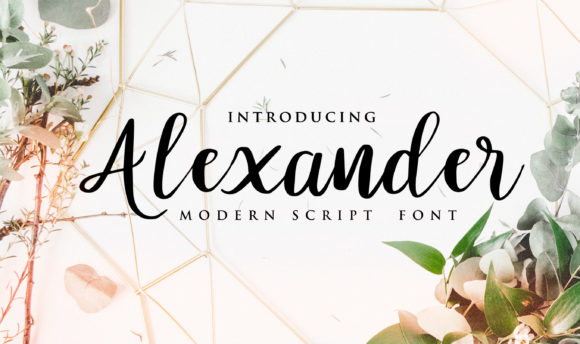
When designers describe Alexander, they often use words like "delicate" and "joyful," but the reality of its application goes deeper than adjectives. Visually, this script font mimics the fluid motion of a fine-point pen moving across high-quality stock. The strokes vary in weight naturally, creating an organic rhythm that guides the eye without demanding attention. Unlike many display fonts that feel chaotic or overly decorative, Alexander maintains a sense of order while retaining its freehand charm.
This balance is crucial for modern typography. A font can be too messy to read or too stiff to convey emotion. Alexander sits comfortably in the middle ground. It features elegant ligatures and connecting strokes that suggest a continuous thought process, yet it remains legible enough for short phrases and headlines. Its personality is inherently feminine and soft, making it an ideal choice for projects requiring grace and sophistication. However, do not mistake its delicacy for fragility; when used correctly in logo design or editorial design, it commands respect and establishes a strong brand identity.
Where This Creative Font Shines
The versatility of a premium font like Alexander lies in its ability to adapt to various contexts while maintaining its core character. While it is perhaps most famous for wedding invitations, limiting its use to just one niche would be a disservice to its potential. Here is how this typeface performs across different creative and commercial sectors:
- Wedding and Event Stationery: This is the natural habitat for Alexander. From save-the-dates to menu cards, the handwritten style creates an immediate emotional connection with guests, signaling that the event is personal and carefully curated.
- Branding and Logo Design: For small businesses in beauty, fashion, or artisanal crafts, a serif or sans-serif font might feel too corporate. Alexander adds a layer of authenticity and approachability. It suggests that the business owner cares about the details and treats their customers like friends.
- Packaging Design: Imagine a luxury chocolate box or a handmade soap wrapper. A splash of this dainty script can elevate the perceived value of the product instantly. It transforms a commodity into a gift.
- Social Media Graphics: In a feed dominated by bold, blocky text, a post featuring Alexander stands out as a moment of pause. It is perfect for quote graphics, promotional banners, or highlighting key dates in Instagram stories.
- Digital Publishing: Bloggers and content creators can use this font for pull quotes, chapter headings, or feature headers. It breaks up dense text and invites the reader to slow down and engage with the content.
Elevating Brand Perception and Readability
Selecting a typeface is never just about aesthetics; it is a strategic decision that influences audience engagement and brand perception. When you choose Alexander, you are signaling warmth, creativity, and a human-centric approach. In an era where consumers are increasingly skeptical of mass-produced content, a handwritten font serves as a badge of authenticity. It tells the viewer, "This was made by a person, for a person."
However, readability remains paramount. Even the most beautiful script must function effectively within a layout. Alexander excels here because its letterforms are open and clear. To maximize its impact, consider using it for headlines, names, or short sentences rather than body copy. Pairing it with a clean, neutral sans-serif font can create a striking visual hierarchy. The contrast between the structured geometry of a modern sans-serif and the fluid curves of Alexander allows each font to shine without competing for dominance.
Consistency is also key to professional recognition. If you decide to incorporate this font into your brand guidelines, ensure you use it consistently across all touchpoints. Whether it appears on a business card, a website header, or a social media thumbnail, the consistent application of Alexander reinforces your brand's voice. It becomes a recognizable element of your visual language, much like a signature.
Practical Guidance for Implementation
If you are considering adding Alexander to your design toolkit, there are several practical factors to evaluate before committing to the project. First, review the included styles. Does the family include multiple weights, alternate characters, or swashes? A robust set of design assets ensures you have the flexibility to handle different layout challenges without compromising the aesthetic.
Testing font pairings is another essential step. Since Alexander has a distinct personality, it pairs best with fonts that provide structure. Avoid pairing it with other scripts unless you are highly experienced with typographic contrast. Instead, look for geometric sans-serifs or classic serifs that complement the elegance of the script without overwhelming it. Create mockups at actual size to check legibility. What looks good on a large monitor might become illegible when printed on a small tag or viewed on a mobile device.
Finally, always verify the licensing terms. As a commercial font, Alexander likely comes with specific usage rights regarding web embedding, print runs, and client work. Understanding these boundaries protects your business and ensures you are using the typeface ethically. By taking the time to evaluate the technical specifications and licensing requirements, you ensure that the final output is both beautiful and legally sound.
In conclusion, Alexander is more than just a decorative element; it is a tool for storytelling. Its sweet and delicate nature brings a sense of joy and romance to any project it touches. For designers, entrepreneurs, and creatives looking to add a personal touch to their work, this font offers a reliable way to connect with audiences on an emotional level. Whether you are designing a single invitation or building a comprehensive brand identity, Alexander provides the perfect foundation for memorable, human-centered design.