Wooden Log Font: A Natural Touch for Creative Designs
Looking for a font that brings the warmth of nature into your designs? Wooden Log is a unique decorative font with a nature theme that stands out in both digital and print projects. With its handcrafted feel and organic charm, this font adds character to everything from logos to social media graphics. Whether you're a designer, marketer, or small business owner, Wooden Log offers a fresh way to elevate your creative work.
The Visual Personality of Wooden Log
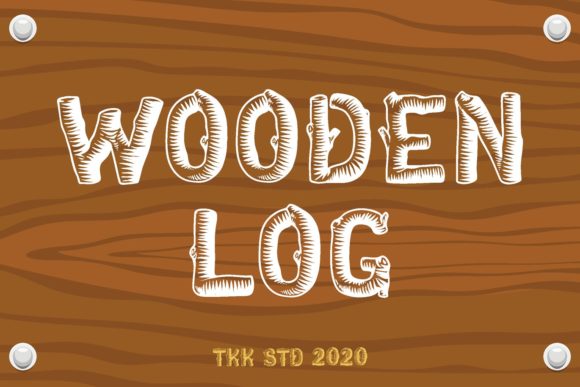
Wooden Log captures the essence of natural textures and forms. Its visual characteristics include soft curves, subtle imperfections, and a hand-carved appearance that mimics real wood grain. This font has a rustic yet elegant personality, making it ideal for projects that want to evoke a sense of authenticity and craftsmanship.
The style of Wooden Log blends elements of a script font with the stability of a serif typeface. It's not overly ornate, so it remains readable even at smaller sizes. The letterforms have a gentle weight, which gives them a warm and approachable feel. This makes Wooden Log perfect for branding materials that aim to convey a connection with nature or a handmade aesthetic.
Where to Use Wooden Log Effectively
Thanks to its distinctive look, Wooden Log works best in specific design contexts where a touch of nature can enhance the message. Here are some practical applications:
- Logo Design: Add a natural element to your brand identity with Wooden Log. It pairs well with clean sans-serif fonts for a balanced look.
- Social Media Graphics: Use Wooden Log for headlines or captions that need a personal and earthy vibe.
- Packaging Design: Create eco-friendly packaging that feels authentic with this font’s handcrafted style.
- Editorial Design: Incorporate Wooden Log in magazine layouts or blog headers to add a unique visual flair.
- Web Design: Apply Wooden Log sparingly on websites to highlight key messages or call-to-action buttons without overwhelming the user experience.
Designing with Wooden Log: Practical Tips
When using Wooden Log, it's important to consider how it interacts with other design elements. As a display font, it should be used for emphasis rather than body text. Pairing it with a complementary sans-serif or serif font can help maintain readability and visual balance.
For example, if you're designing a poster with Wooden Log as the headline, choose a clean, modern sans-serif font like Helvetica or Arial for the supporting text. This contrast ensures that the message is clear while still maintaining the desired aesthetic.
Also, keep in mind that Wooden Log comes with multiple styles, including regular and bold weights. These variations allow for more flexibility in design, especially when creating visual hierarchy in layouts.
Readability and Brand Perception
While Wooden Log is primarily a decorative font, its readability is still an important factor. It's best suited for short phrases or titles rather than long blocks of text. When used appropriately, this font can influence how your audience perceives your brand.
A font like Wooden Log communicates a sense of authenticity and creativity. For brands that want to appear more grounded, eco-conscious, or artisanal, this font can reinforce those values visually. It also helps create consistency across different marketing materials, ensuring that your brand identity remains cohesive and recognizable.
However, it's crucial to test Wooden Log in various contexts before finalizing a design. Ensure that it doesn't clash with other elements such as background colors or images. A good rule of thumb is to use no more than two different fonts in a single project to maintain a clean and professional look.
Evaluating Project Fit and Licensing Options
Before committing to Wooden Log, evaluate whether it aligns with the tone and purpose of your project. If you're working on something that requires a more formal or corporate feel, this font might not be the best choice. However, for creative, lifestyle, or eco-themed projects, it can be a powerful asset.
When choosing Wooden Log, also review the licensing options available. Since it's a commercial font, ensure that you have the appropriate license for your intended use—whether it's for personal projects, client work, or publishing. Many premium fonts offer flexible licensing options, so check the details carefully to avoid any legal issues.
Finally, always test Wooden Log in different sizes and environments. How it looks on a website may differ from how it appears in print. Make sure it maintains its visual appeal and readability across all platforms.
With thoughtful application, Wooden Log can become a valuable tool in your design arsenal, helping you create original and outstanding designs that stand out in today's competitive creative landscape.