Zinnia: The Art of Handwritten Elegance
In the crowded digital landscape, where clean sans-serifs and rigid block letters dominate screens, there is a growing desire for something warmer, more personal, and undeniably human. Designers and content creators are increasingly turning to typography that mimics the fluid motion of a pen on paper. Among these choices, Zinnia has emerged as a standout option for those seeking a stylish and incredibly elegant script font. It is not merely a typeface; it is a tool that bridges the gap between professional polish and intimate expression.
Whether you are a business owner looking to refresh your brand identity or a creative professional designing a special event invitation, understanding the nuances of Zinnia can transform your project. This article explores what makes this font unique, how it functions in real-world scenarios, and why it remains a top choice for adding a handwritten touch to any design.
Understanding the Character of Zinnia
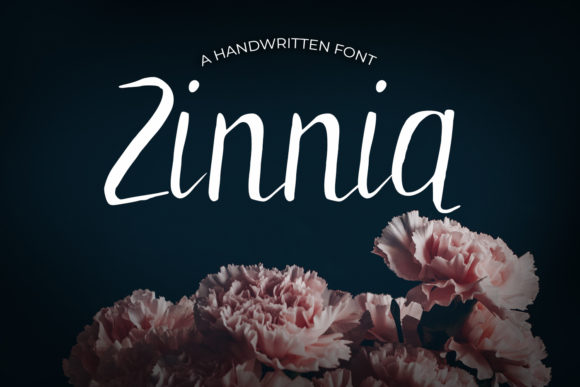
To appreciate Zinnia, one must first look at its visual DNA. Unlike many script fonts that struggle with readability or appear overly ornate, Zinnia strikes a delicate balance. It captures the essence of calligraphy without sacrificing clarity. The letterforms flow naturally, featuring graceful swashes and varying stroke widths that mimic the pressure of a nib. This creates a sense of movement across the page, guiding the reader's eye smoothly from one word to the next.
The elegance of Zinnia lies in its restraint. It avoids the chaotic flourishes found in some decorative scripts, opting instead for a refined aesthetic that feels timeless. When used correctly, it does not scream for attention but rather whispers sophistication. This characteristic makes it particularly versatile. It can anchor a modern logo just as effectively as it can decorate the border of a wedding invitation. The font possesses an inherent personality—it is confident yet approachable, formal yet friendly.
Key Features That Set It Apart
What exactly drives the effectiveness of Zinnia in various design contexts? Several technical and aesthetic features contribute to its popularity:
- Natural Flow: The connecting strokes between letters are designed to feel organic, reducing the "stitched-together" look common in lesser script fonts.
- Legibility: Despite its cursive nature, individual characters remain distinct. This ensures that important information is never lost in the swirls of the design.
- Versatile Weights: While primarily known for its script style, the family often includes variations that allow designers to play with contrast and hierarchy within a single layout.
- Cultural Neutrality: Its style transcends specific eras, making it suitable for both vintage-inspired themes and contemporary minimalism.
These features make Zinnia a reliable choice for projects where emotion and readability must coexist. It is a font that respects the content it carries, enhancing the message without overpowering it.
Practical Applications Across Industries
The utility of Zinnia extends far beyond simple decoration. Because it conveys a specific mood—intimacy, celebration, creativity—it finds a natural home in several distinct sectors. Understanding where to apply this font is key to maximizing its impact.
Weddings and Special Events
Perhaps the most iconic use of Zinnia is in the realm of weddings. Wedding invitations require a tone that is both celebratory and deeply personal. A standard serif font might feel too corporate, while a bold display font could seem out of place. Zinnia hits the sweet spot. It transforms a standard card into a keepsake. When paired with high-quality paper and perhaps a subtle foil stamp, the font's elegant curves become even more pronounced.
But the application goes beyond invitations. Thank you cards, ceremony programs, and even table numbers benefit from the handwritten feel. It adds a layer of care that suggests the host put significant thought into every detail. For couples planning their big day, using Zinnia signals a commitment to tradition mixed with modern flair.
Branding and Business Identity
For business owners, the question is often whether a script font can convey professionalism. With Zinnia, the answer is a resounding yes. In industries such as boutique retail, artisanal food production, beauty services, and creative agencies, a handwritten element builds trust. It suggests that real people are behind the brand, caring about the customer experience.
Consider a coffee shop that prides itself on handcrafted blends. A logo featuring Zinnia can communicate the artistry involved in roasting and brewing. Similarly, a freelance graphic designer might use Zinnia for their business cards to immediately demonstrate their typographic sensibility. However, caution is advised. While Zinnia is elegant, it should be used sparingly in branding. It works best for logotypes, headlines, or signature lines rather than body text. Overusing it can dilute the brand's authority.
Digital Content and Social Media
In the age of social media, visuals are paramount. Quotes, greeting cards, and promotional graphics often need to stand out in a fast-scrolling feed. Zinnia excels here because it offers a tactile quality that flat vector images sometimes lack. A motivational quote rendered in Zinnia feels like a note written by a friend, encouraging engagement and shares.
Blogs and newsletters also benefit from strategic use. Using Zinnia for pull quotes or section headers can break up dense blocks of text, making the content more inviting to read. It acts as a visual cue, telling the reader, "Pay attention to this part; it's special."
Evaluating Suitability for Your Project
While Zinnia is a powerful tool, it is not a universal solution. Every design decision involves trade-offs. Before committing to this font, it is essential to evaluate your specific needs and constraints.
Strengths to Leverage
The primary strength of Zinnia is its ability to evoke emotion instantly. If your goal is to create a connection, celebrate a milestone, or highlight a premium product, this font is an excellent asset. It simplifies the design process by providing a built-in stylistic direction. Instead of spending hours searching for imagery to add warmth, a well-placed headline in Zinnia can do the heavy lifting.
Furthermore, its compatibility with other typefaces is noteworthy. It pairs exceptionally well with clean sans-serifs or classic serifs. This combination allows designers to maintain structure while injecting personality. For example, a layout might use a sturdy sans-serif for the main body copy to ensure readability, while using Zinnia for the title to provide that necessary "handwritten touch."
Considerations and Limitations
Despite its elegance, Zinnia has limitations that users must respect. The most critical factor is legibility. While the font is clear, it is not designed for long-form reading. Using it for paragraphs of text will fatigue the reader and obscure the message. It is strictly a display font intended for short phrases, titles, and accents.
Another consideration is context. In highly technical fields, such as engineering or legal documentation, the playful nature of a script font may undermine credibility. In these cases, Zinnia would be inappropriate. Additionally, when printing, the fine details of the script must be considered. Very small sizes or low-resolution prints may cause the delicate connections between letters to blur or disappear. Always test your designs at the intended output size before finalizing.
How to Test Effectiveness
To determine if Zinnia is right for your project, try the following practical steps:
- Create Mockups: Draft your design using Zinnia alongside your primary body font. Step away from the screen and view it from a distance. Does it feel balanced?
- Check Contrast: Ensure the script stands out against the background. If the colors are too similar, the elegance of the font will be lost.
- Gather Feedback: Ask peers or potential clients what emotion the font evokes. If they describe it as "professional," "warm," or "elegant," you are on the right track.
Conclusion: Elevating Design with Zinnia
Zinnia represents more than just a collection of glyphs; it is a bridge to human connection in a digital world. Its stylish and incredibly elegant script form offers a solution for anyone needing to infuse their work with grace and personality. From the intimate setting of a wedding to the polished environment of a business logo, Zinnia adapts to serve the vision of the creator.
By understanding its strengths and respecting its limitations, designers and business owners can harness the full potential of this typeface. Whether you are crafting a thank you card, designing a logo, or creating a memorable greeting, Zinnia provides the perfect foundation for a handwritten touch that resonates. In a market saturated with generic templates, choosing Zinnia is a statement of quality, care, and artistic intent.