Integrating Woonder into Your Creative Workflow for Polished, Personalized Results
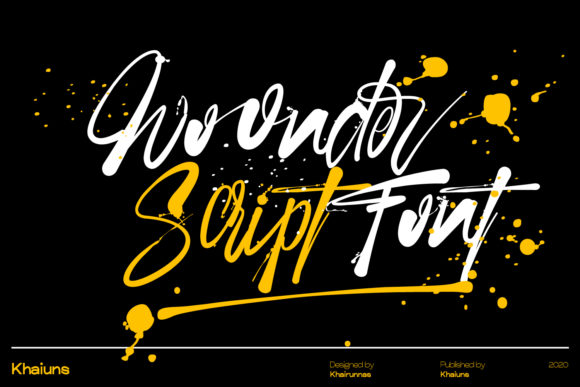
In the fast-paced environment of modern design and content creation, finding a typeface that balances distinct personality with technical reliability is often the difference between a project that feels generic and one that resonates deeply with an audience. Woonder emerges as a standout asset in this landscape, offering a beautiful and stylish handwritten aesthetic that feels both organic and meticulously crafted. For professionals ranging from freelance marketers to small business owners, the challenge isn't just about selecting a font; it is about integrating that selection into a seamless workflow where preparation meets execution.
This article explores how Woonder fits into practical design processes, focusing on its unique PUA encoding, its versatility across various media, and strategies for maintaining consistency while leveraging its full potential. Whether you are finalizing a brand identity, drafting a social media campaign, or organizing a personal creative project, understanding the mechanics of this font allows you to elevate your output without compromising efficiency.
Understanding the Technical Foundation: PUA Encoding and Accessibility
The first step in any successful implementation of a new tool is understanding its underlying architecture. Woonder is not merely a standard font file; it is built with PUA (Private Use Area) encoding. In the world of typography, the PUA is a reserved space within the Unicode standard that allows designers to include custom characters, ligatures, swashes, and alternate glyphs that do not have a standard code point. This technical feature is critical for users who require a comprehensive library of stylistic options without needing to install multiple font files or rely on third-party plugins.
For the practical user, PUA encoding means you can access all of the glyphs and swashes with ease. Instead of toggling through complex OpenType features that might not render correctly across different operating systems or software versions, Woonder allows direct access to its decorative elements. This reduces the friction typically associated with applying "handwritten" styles to digital layouts. When you are working under tight deadlines, the ability to quickly insert a specific swash or alternate character directly via keyboard shortcuts or a simple character map significantly streamlines the production process.
- Streamlined Character Selection: Access specialized alternates and swashes without navigating nested menus.
- Consistent Rendering: Ensure that your stylized text looks identical on your local machine, client devices, and web platforms.
- Reduced File Clutter: Avoid managing multiple versions of the same font family by utilizing the single, fully encoded Woonder file.
Strategic Placement in the Design Lifecycle
A font's utility extends far beyond its visual appeal; it dictates how it behaves at different stages of a project lifecycle. Woonder is designed to be an incredibly asset to your fonts library because it possesses the potential to elevate any creation, regardless of where it sits in your workflow. Its application is not limited to the final polish but can be integrated into the conceptualization, execution, and review phases.
Preparation and Conceptualization
During the planning phase, whether you are sketching out a marketing strategy or outlining a blog post, the tone of your communication matters. Using Woonder in early drafts or mood boards helps establish a consistent voice. Because of its handwritten nature, it immediately signals approachability and human connection. If you are pitching a concept to a client or collaborating with a team, using Woonder in presentation slides or initial mockups can set a precedent for the project's aesthetic direction. It acts as a visual anchor, ensuring that the final deliverable remains true to the original intent.
Execution and Production
When moving into the active creation phase, Woonder shines in scenarios requiring a touch of personal flair. For educators creating course materials, the font adds a warm, instructor-led feel to worksheets and handouts. For entrepreneurs designing product packaging or promotional flyers, it offers a boutique quality that mass-produced sans-serif fonts cannot replicate. The key to effective execution here is balance. While Woonder has the potential to elevate any creation, overuse can lead to readability issues. The most effective workflow involves using Woonder for headlines, pull quotes, and key emphasis points, while pairing it with a clean, neutral body font to maintain legibility.
Review and Quality Control
In the final stages of a project, consistency is paramount. The PUA encoding of Woonder simplifies quality control. Since every glyph is contained within a single, well-structured file, you avoid the common pitfall of missing characters or broken ligatures when transferring files between different teams or software environments. Before publishing, simply verify that the swashes and special characters appear as intended. This ensures that the final product maintains the high standard of craftsmanship that the font promises.
Integration with Tools and Cross-Platform Compatibility
Modern workflows rarely exist in isolation. They involve a complex ecosystem of tools, including graphic design software, word processors, website builders, and email marketing platforms. A font like Woonder must interact smoothly with these diverse resources to be truly effective. Fortunately, the robust nature of Woonder makes it compatible with a wide array of applications, from Adobe Creative Cloud to Microsoft Office and Google Workspace.
However, integration requires more than just installation. To maximize efficiency, you should consider how the font interacts with your existing assets. If you are building a brand kit, ensure that Woonder is included alongside your primary logo and color palette. Document the specific use cases for the font—such as "use for subheadings only" or "use for handwritten notes"—to prevent inconsistent application by other team members. This organizational discipline is essential for maintaining brand integrity over the long term.
For web developers and publishers, the deployment of Woonder requires attention to file formats. While the PUA encoding handles the character set beautifully, ensuring the font loads correctly on the web involves proper CSS formatting. Using web-safe embedding techniques guarantees that the stylized text renders correctly for your audience, preserving the intended aesthetic experience regardless of their device.
Practical Implementation Tips for Maximum Efficiency
To get the most out of Woonder, it is helpful to adopt a structured approach to its usage. Here are several practical observations and tips for integrating this font into your daily routine.
- Establish a Hierarchy: Define clear rules for when to use Woonder versus other typefaces. Reserve it for moments where emotional connection or artistic expression is the priority. Use it to break up dense blocks of text or to highlight calls to action.
- Leverage the Swashes: Don't shy away from the extra glyphs provided by the PUA encoding. A well-placed swash can turn a standard headline into a piece of art. Experiment with mixing uppercase and lowercase letters to create dynamic compositions that guide the viewer's eye.
- Maintain Readability: Even the most beautiful font fails if it cannot be read. Ensure sufficient contrast between the font color and the background. Avoid using Woonder for long paragraphs of body text unless the context specifically demands a casual, letter-like format.
- Create Templates: For recurring tasks like weekly newsletters or monthly reports, build templates that already incorporate Woonder. This removes the decision-making burden during execution and ensures that your output remains consistent without requiring constant manual adjustments.
- Test Across Devices: Always preview your work on mobile and desktop screens. Handwritten fonts can sometimes appear too thin or thick depending on the screen resolution. Adjust tracking and line height as needed to ensure optimal legibility on smaller displays.
Long-Term Value and Consistency
Investing time in learning how to use a font effectively pays dividends in the long run. Woonder is not just a temporary trend; it is a versatile tool that can grow with your projects. As you expand your portfolio or scale your business, having a reliable, high-quality font that conveys authenticity becomes increasingly valuable. The ability to produce content that feels handcrafted in a digital age is a significant competitive advantage.
Furthermore, the organization of your font library impacts your overall productivity. By keeping Woonder readily accessible and well-documented, you reduce the time spent searching for assets. This efficiency allows you to focus more on the core aspects of your work—strategy, creativity, and execution—rather than wrestling with technical limitations. When you understand how the font works, from its PUA encoding to its stylistic nuances, you can integrate it smoothly into your own work or routine, ensuring that every project benefits from its unique charm.
Ultimately, Woonder represents more than just a collection of characters; it is a bridge between professional precision and human warmth. By approaching its adoption with a clear plan and a focus on practical application, you can unlock its full potential. Whether you are a freelancer looking to distinguish your proposals, an educator seeking to engage students, or a marketer aiming to connect with customers, Woonder provides the foundation for creations that are not only visually stunning but also strategically sound.
As you move forward with your next project, consider how this font can serve as a catalyst for better outcomes. With the right preparation and a thoughtful approach to implementation, Woonder will prove to be an indispensable part of your toolkit, helping you navigate the complexities of modern design with confidence and style.