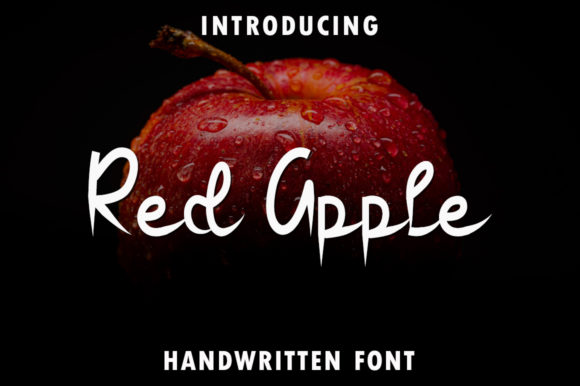
Red Apple: A Practical Evaluation of a Handwritten Display Font
In the crowded landscape of digital typography, finding a typeface that balances authenticity with professional usability is a constant challenge. Many designers struggle to find fonts that convey warmth without sacrificing legibility or looking like amateur work. Red Apple enters this conversation not as a revolutionary system font, but as a specialized tool designed for specific expressive needs. It is a classic handwritten style that captures the fluidity of ink on paper while remaining structured enough for commercial application.
This evaluation examines Red Apple through the lens of practical utility. We will look at its design characteristics, analyze where it fits within modern workflows, and determine who benefits most from its unique aesthetic. The goal is to provide an objective assessment of whether this font aligns with your project requirements, rather than simply listing features.
Defining the Character and Design Intent
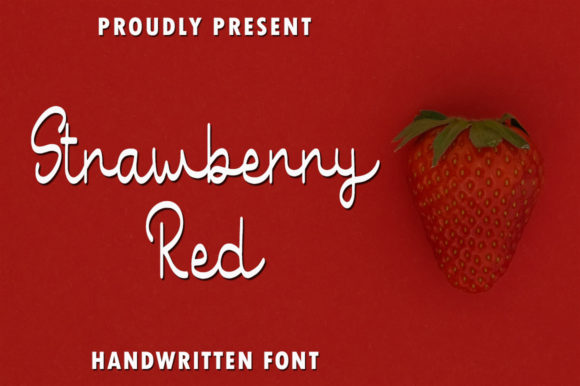
At its core, Red Apple is a display typeface rooted in the tradition of hand-lettering. Unlike variable fonts designed for body text across hundreds of pages, Red Apple is engineered for impact. Its primary function is to evoke a sense of personal connection. When you view the glyphs, you are seeing strokes that mimic the natural variation found in brush pens or calligraphy markers. The letterforms feature subtle irregularities in line weight and slant, which prevents the rigid uniformity often associated with standard sans-serif or serif fonts.
The "classic" descriptor often attached to this font refers to its timeless appeal. It avoids trendy gimmicks that might date a design quickly. Instead, it relies on fundamental principles of handwriting: rhythm, flow, and organic texture. This makes it particularly effective when the goal is to humanize a brand or add a touch of nostalgia to a visual composition. The design does not attempt to be invisible; it demands attention, serving as a focal point rather than background noise.
Visual Characteristics and Legibility
One of the first considerations when adopting any handwritten font is how well it reads at different sizes. Red Apple performs best when used in larger formats. The thick downstrokes and thin upstrokes create high contrast, which enhances visibility in headlines and short phrases. However, the very features that give it character can reduce legibility if applied to long paragraphs of text. The connected nature of some letters and the decorative flourishes can slow down reading speed for dense content.
Professional Observation: In real-world testing, the font maintains its structural integrity even when scaled down for smaller elements like social media graphics or email headers. The key is to respect its limitations. It is not a body text solution. Its strength lies in its ability to communicate a mood instantly, making it ideal for greeting cards, invitations, and headline copy where brevity is essential.
Practical Applications in Professional Workflows
Understanding where Red Apple fits in a workflow requires looking at the types of projects professionals currently undertake. For marketers and small business owners, the ability to stand out visually is paramount. In a feed dominated by sterile corporate designs, a handwritten element can break the pattern and capture user attention.
- Greeting Cards and Invitations: This is perhaps the most natural home for Red Apple. The font's inherent warmth translates perfectly to personal messages. Whether for weddings, birthdays, or holiday greetings, the script style adds a layer of thoughtfulness that blocky fonts cannot achieve.
- Headline Typography: For blog posts, landing pages, or magazine covers, Red Apple serves as an excellent anchor. It allows creators to set a tone immediately. A fitness coach might use it for motivational quotes, while a bakery could use it for daily specials, creating a direct link between the product and the creator's voice.
- Expressive Text and Branding: Freelancers and creative agencies often need to inject personality into client materials. Red Apple offers a way to do this without commissioning custom illustration. It works well for logos, watermarks, and signature lines in proposals.
The versatility of the font extends to various media. Because it mimics physical ink, it pairs exceptionally well with textured backgrounds, paper overlays, and vintage photography. This compatibility makes it a strong choice for print-on-demand businesses, where the tactile quality of the final product is a selling point.
Evaluating Quality, Consistency, and Reliability
When selecting a font for commercial use, reliability is just as important as aesthetics. Red Apple demonstrates a consistent approach to its design language. The spacing (kerning) is generally handled with care, ensuring that letters sit comfortably next to one another without awkward gaps or collisions. This consistency is crucial for maintaining a professional appearance, especially when the font is used in multi-line headings.
The file quality is typically robust, supporting standard character sets required for Western languages. For educators and publishers, this means the font can be deployed across various platforms without encountering encoding issues. The glyph set includes necessary ligatures and alternate characters that enhance the handwritten feel, allowing users to tweak the look slightly to fit specific contexts. This flexibility adds long-term value to the asset.
However, no font is without limitations. The stylized nature of Red Apple means it may not render well on all low-resolution screens or when converted to bitmap images without anti-aliasing. Designers should ensure they export their files in vector formats or high-resolution PNGs to preserve the delicate details of the strokes. Additionally, because the font is so distinct, it can clash with other decorative scripts. It requires careful pairing with neutral, clean typefaces to avoid visual chaos.
Strategic Fit for Specific Audiences
Determining if Red Apple is right for you depends heavily on your role and your audience's expectations. Let's break down how different professionals might utilize this resource.
For Entrepreneurs and Small Business Owners
If you own a boutique shop, a local cafe, or a service-based business, Red Apple can help build a community-focused image. It signals that there is a real person behind the brand. It is less about corporate authority and more about approachability. Using this font for your signage, menu boards, or packaging can differentiate you from competitors who rely on generic templates.
For Content Creators and Bloggers
Blogging and content marketing rely heavily on engagement. A catchy headline using Red Apple can increase click-through rates by offering a visual break from standard web typography. It is particularly effective for lifestyle blogs, DIY tutorials, and personal journals. The font invites the reader in, suggesting that the content inside is written by a friend rather than a corporation.
For Educators and Publishers
In educational materials, clarity is king, but engagement matters too. Red Apple can be used effectively for titles, chapter headings, or special emphasis boxes. It adds a creative flair to lesson plans or worksheets without overwhelming the instructional content. Just remember to keep the body text in a highly readable sans-serif or serif font to maintain balance.
Navigating Limitations and Best Practices
To get the most out of Red Apple, users must adhere to certain best practices. The most common mistake is overuse. Because the font is so expressive, using it for entire documents can lead to fatigue. It is best treated as a spice—powerful when used sparingly, but overwhelming if added in excess.
Another consideration is accessibility. High-contrast scripts can sometimes pose challenges for users with visual impairments or dyslexia. If your project targets a broad audience, including those with accessibility needs, ensure that the primary information is conveyed through clear, standard typefaces, using Red Apple only for decorative purposes.
Furthermore, licensing is a critical factor for professionals. Before incorporating Red Apple into a commercial project, verify the specific terms of use. Some fonts allow for personal and limited commercial use, while others require extended licenses for merchandise or broadcast. Understanding these legal boundaries protects your business from potential infringement issues.
Final Assessment
Red Apple stands out as a reliable choice for designers and creators seeking to infuse their work with a human touch. It successfully bridges the gap between digital precision and analog charm. While it is not a universal solution for every typographic problem, its strengths in specific areas—greeting cards, headlines, and short expressive texts—are undeniable.
For professionals aged 20 to 50 who value authenticity and practical design, Red Apple offers a cost-effective way to elevate visual communication. It respects the viewer's intelligence by avoiding clutter while delivering a strong emotional message. When used with intention and paired correctly, it remains a timeless asset in any creative toolkit. The limit is indeed your imagination, provided you apply the font with the same care and consideration you would give to any other vital component of your design process.