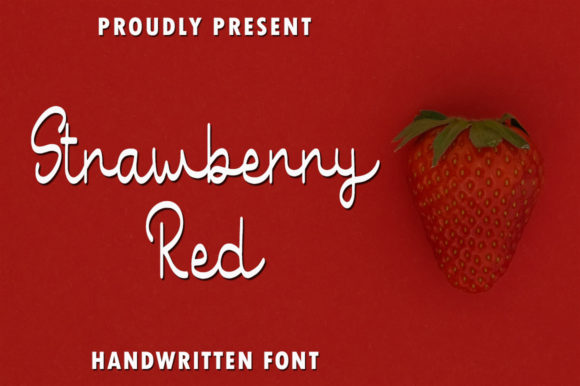
Strawberry Red: A Comprehensive Evaluation of the Handwritten Font
In the expansive landscape of digital typography, selecting the right typeface is a critical decision that influences readability, brand identity, and emotional resonance. Among the myriad of options available, Strawberry Red has emerged as a distinctive choice for designers seeking a specific aesthetic. This font is characterized by its sweet, cursive handwritten style, featuring beautiful and round letters that convey a sense of warmth and approachability. While it is often described as the ideal choice for personalized designs, understanding its specific characteristics, applications, and limitations is essential before integrating it into a professional project.
This article provides an objective analysis of Strawberry Red, exploring its visual attributes, practical use cases, and the tradeoffs involved in its deployment. Whether you are a graphic designer, a small business owner, or a hobbyist creating custom invitations, this evaluation aims to help you determine if this font aligns with your design goals.
Understanding the Visual Identity of Strawberry Red
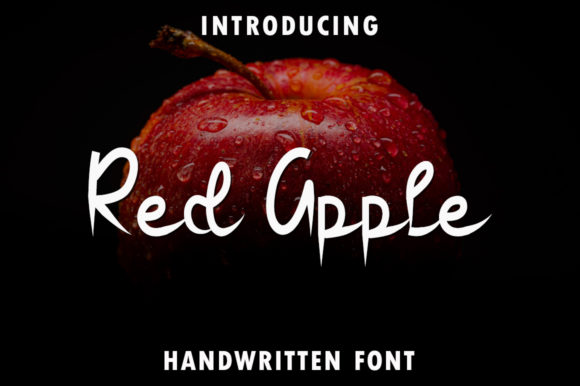
To evaluate a typeface effectively, one must first understand its structural and stylistic components. Strawberry Red is not a standard serif or sans-serif typeface; rather, it belongs to the script category, specifically mimicking casual handwriting. The defining feature of this font is its "sweet" quality, achieved through rounded letterforms and fluid connections between characters.
The "roundness" of the letters reduces visual sharpness, creating a softer appearance on the screen or page. This characteristic makes the text feel more organic and less rigid than geometric or industrial fonts. The cursive nature implies movement and flow, suggesting that the content was written by hand with care. However, unlike calligraphy scripts that rely heavily on thick-and-thin stroke contrast, Strawberry Red tends to maintain a relatively consistent weight, which can enhance legibility in certain contexts while retaining a playful vibe.
Primary Applications and Design Benefits
The decision to use Strawberry Red is often driven by the need to evoke specific emotions. Its primary strength lies in its ability to humanize a design. In a digital environment dominated by clean, corporate sans-serifs, a font like this introduces personality and warmth. Below are the key areas where this font excels:
- Personalized Branding: For businesses focusing on handmade goods, artisanal foods, or boutique services, using Strawberry Red reinforces the narrative of craftsmanship and individual attention.
- Event Stationery: Weddings, birthday parties, and baby showers often require a touch of elegance mixed with informality. The round, friendly letters of this font are particularly well-suited for invitations and thank-you notes.
- Headline Emphasis: Because the font is visually distinct, it serves as an excellent tool for headlines or pull quotes. It can break up blocks of body text and draw the reader's eye immediately.
- Child-Focused Content: Educational materials, children's books, and toys benefit from the playful nature of the typeface, making content appear more accessible and fun.
When used correctly, Strawberry Red adds a layer of authenticity that mass-produced templates often lack. It signals to the viewer that there is a human behind the design, fostering a connection that standard fonts sometimes struggle to achieve.
Critical Considerations and Potential Tradeoffs
While the aesthetic appeal of Strawberry Red is undeniable, relying on it without caution can lead to significant usability issues. Typography is a balance between form and function, and script fonts inherently face challenges regarding legibility and versatility.
Readability Concerns: The cursive and connected nature of the letters can make reading extended passages difficult. Unlike block letters, where each character is distinct, script fonts require the brain to process word shapes rather than individual letters. Consequently, Strawberry Red should generally be avoided for body copy, technical documentation, or any context where information density is high.
Limited Character Set: Many decorative fonts have restricted character sets. Designers must verify that the font includes necessary punctuation, numbers, and special symbols required for their specific project. If the font lacks these, the design may look incomplete or require workarounds that compromise the aesthetic.
Contextual Appropriateness: The "sweet" and "cursive" traits define the font's boundaries. Using Strawberry Red in a serious, professional, or medical context would likely undermine credibility. The font carries a specific cultural weight associated with leisure and personal expression, which may clash with formal corporate messaging.
Situations Where Alternatives May Be Preferable
Evaluating Strawberry Red also requires knowing when not to use it. There are scenarios where other typefaces will better serve the user's needs:
- High-Volume Text: If the project involves long articles, manuals, or e-commerce product descriptions, a highly legible sans-serif or serif font is a superior choice. Prioritizing readability over style ensures the message is conveyed efficiently.
- Global Audiences: Cursive scripts can sometimes be harder for non-native speakers to decipher. For international projects, a neutral typeface ensures clarity across different language backgrounds.
- Minimalist Design: In modern minimalist aesthetics, the ornamental quality of Strawberry Red might appear too busy or cluttered. Clean, geometric fonts often align better with the principles of minimalism.
- Technical Precision: For UI/UX design, mobile apps, or data visualization, consistency and clarity are paramount. Decorative fonts can disrupt the user interface hierarchy and confuse navigation.
Practical Decision-Making Insights
To determine if Strawberry Red is the right tool for your next project, consider the following framework. Start by defining the emotional goal of your design. If the objective is to create a feeling of intimacy, nostalgia, or playfulness, this font is a strong candidate. If the goal is authority, speed, or neutrality, you should look elsewhere.
Next, assess the hierarchy of your layout. A common best practice is to pair Strawberry Red with a simple, neutral font. For example, using Strawberry Red for the main title paired with a clean sans-serif for the body text creates a balanced composition. This approach leverages the unique style of the script font without sacrificing the readability of the supporting text.
Additionally, test the font at various sizes. Script fonts often lose their charm or become illegible when scaled down significantly. Ensure that the rounded letters remain distinct even in smaller formats, such as social media avatars or mobile notifications. If the letters merge together at smaller sizes, the font may not be suitable for responsive web design.
Conclusion
Strawberry Red offers a compelling option for designers looking to inject warmth and personality into their work. Its sweet, cursive style and beautiful round letters make it a standout choice for personalized designs, event branding, and creative headers. However, its effectiveness is contingent upon thoughtful application. By acknowledging its limitations regarding readability and formal contexts, designers can avoid potential pitfalls.
Ultimately, the decision to add Strawberry Red confidently depends on the specific requirements of the project. When aligned with the right audience and purpose, it delivers an outcome that feels authentic and engaging. For those seeking a font that bridges the gap between digital precision and human touch, this typeface remains a valuable asset in the typographic toolkit.