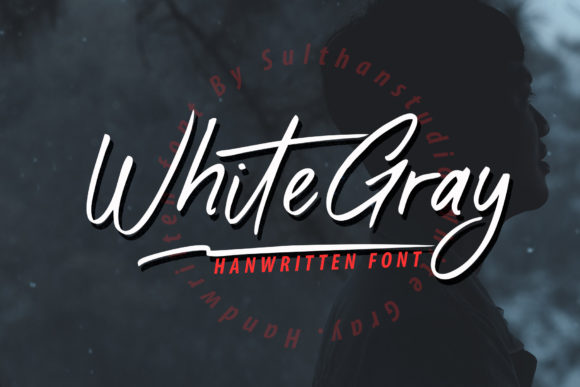
White Gray: The Delicate Font for Modern Design
In a digital landscape often cluttered with heavy, bold, and aggressive typefaces, White Gray offers a refreshing breath of air. It is not merely a font; it is a stylistic choice that brings a clean, thin, and smooth vibe to any project. Its delicate nature allows it to stand out precisely because it does not shout. Instead, it whispers elegance, making it an ideal companion for designs that require sophistication without overwhelming the viewer.
The appeal of this typeface lies in its minimalism. By stripping away unnecessary weight and ornamentation, White Gray focuses on the purity of the letterforms. This approach creates a sense of calm and clarity that is increasingly valuable in modern communication. Whether you are designing a minimalist website, a high-end fashion brochure, or a simple social media graphic, the presence of this font can elevate the perceived quality of your work instantly.
Why Different Audiences Care About Typography
Typography is rarely just about reading text; it is about setting a mood and establishing credibility. However, the way different people value typography varies significantly based on their goals and skill levels. For some, it is a technical constraint, while for others, it is the primary vehicle for artistic expression.
Beginners often struggle with choosing fonts because they fear making a mistake. They might worry that a thin font will look weak or unprofessional. In reality, White Gray solves this anxiety by providing a pre-polished aesthetic. Because the font is already balanced and refined, beginners can achieve a professional look without needing deep knowledge of kerning or type anatomy. It removes the guesswork from the design process.
Professionals and Creators, on the other hand, look for flexibility and precision. They need tools that allow them to execute complex visions without fighting the software. For these users, the specific characteristics of White Gray matter deeply. They appreciate how the thin strokes maintain legibility even at smaller sizes, provided the context is right. They are also looking for efficiency, and knowing exactly how a font behaves across different media is crucial for their workflow.
The Technical Advantage: PUA Encoding
One of the most significant features of White Gray is that it is PUA encoded. To understand why this matters, one must look at the mechanics of font usage. PUA stands for Private Use Area, a section of the Unicode standard reserved for custom characters. When a font is PUA encoded, it means that every glyph, swash, and alternate character is mapped directly to a specific key on your keyboard.
This accessibility changes the user experience entirely. Without PUA encoding, accessing special characters often requires opening a separate character map, copying and pasting, or using complex plugin workflows. With White Gray, you can access all of the glyphs and swashes with ease. You simply press a key, and the unique character appears. This streamlines the creative process, allowing designers to focus on composition rather than technical hurdles.
- Speed: Faster access to swashes means quicker iterations during the design phase.
- Consistency: Ensures that special characters are always available, reducing the risk of missing elements in final exports.
- Creativity: Encourages experimentation with decorative elements since they are just a keystroke away.
Evaluating Priorities Across User Groups
Different stakeholders prioritize different aspects of a font depending on their role in the production chain. Understanding these priorities helps determine if White Gray is the right fit for a specific project.
For Educators and Bloggers
Educators and content creators often prioritize readability and presentation. Their goal is to convey information clearly while keeping the audience engaged. White Gray serves this purpose well when used for headings or pull quotes. Its clean lines prevent visual fatigue, which is essential for long-form reading materials. However, for body text, educators might need to weigh the thinness against screen readability requirements. Using White Gray for titles adds a layer of authority and style, while pairing it with a heavier sans-serif for body text creates a balanced hierarchy.
Bloggers, who rely heavily on visual branding, find value in the commercial value of a unique font. A distinct typographic voice can help a blog stand out in a crowded feed. Since White Gray has a delicate vibe, it pairs exceptionally well with lifestyle, wellness, and luxury niches where softness and refinement are key brand attributes.
For Small Business Owners and Marketers
Small business owners and marketers are constantly evaluating the long-term usefulness of their assets. They need fonts that are versatile enough to be used on business cards, websites, and packaging. White Gray fits this requirement due to its neutral yet stylish nature. It does not date quickly like some trendy fonts might. Furthermore, the ability to easily access swashes allows for quick customization of marketing materials without needing a graphic designer for every small change.
When considering cost, businesses often look for fonts that offer maximum impact for the price. While the initial cost of a license is a factor, the time saved through efficient workflows (thanks to PUA encoding) adds significant value. A font that reduces the time spent on formatting is an investment that pays for itself over time.
For Hobbyists and Freelancers
Hobbyists and freelancers often operate with limited resources but high creative ambitions. For them, learning value and ease of use are paramount. White Gray provides an opportunity to experiment with elegant layouts without the steep learning curve associated with more complex type systems. Freelancers can deliver polished results faster, enhancing their reputation for reliability and quality.
Hobbyists might use White Gray for personal projects like wedding invitations, scrapbooking, or handmade product labels. The smooth vibe of the font complements the tactile nature of physical crafts, adding a touch of modernity to traditional items. The availability of swashes allows for personalization, giving each piece a unique flair that mass-produced templates cannot match.
Making the Right Choice for Your Project
Deciding whether to integrate White Gray into your workflow depends on your specific needs. If your project demands a strong, commanding presence, a bolder typeface might be more appropriate. However, if your goal is to create an atmosphere of lightness, clarity, and sophistication, White Gray is an excellent candidate.
Consider the medium where your design will live. On high-resolution screens and print materials, the thin strokes of White Gray shine. They capture the eye without dominating the layout. In contrast, on low-resolution displays or in very small print, the delicacy might become an issue unless carefully managed with adequate spacing and contrast.
Ultimately, the decision comes down to the story you want to tell. White Gray tells a story of refinement and attention to detail. It suggests that the creator cares about the nuances of design. Whether you are a seasoned pro looking for a reliable tool or a beginner seeking to make your first design look polished, this font offers a pathway to elevated aesthetics. By leveraging its PUA encoding and distinctive style, you can ensure that your message is delivered with grace and precision.
As you explore your next project, take a moment to visualize how White Gray might interact with your existing content. Does its smooth vibe complement your imagery? Do the swashes add the necessary flair? Trust your instincts, but remember that the technical ease of access makes it a practical choice for anyone serious about design quality.