Kitchen Recipe Font Evaluation
Selecting the appropriate typography is a critical step in any design project, as the font choice sets the tone and influences how the audience perceives the message. When a designer seeks a typeface that conveys warmth, intimacy, and a sense of personal history, Kitchen Recipe often emerges as a compelling option. This sweet and delicate handwritten font offers a specific aesthetic that distinguishes it from standard serif or sans-serif options. The following analysis explores the characteristics of Kitchen Recipe, its practical applications, and the factors to consider when deciding if it aligns with your design goals.
Understanding the Design Characteristics
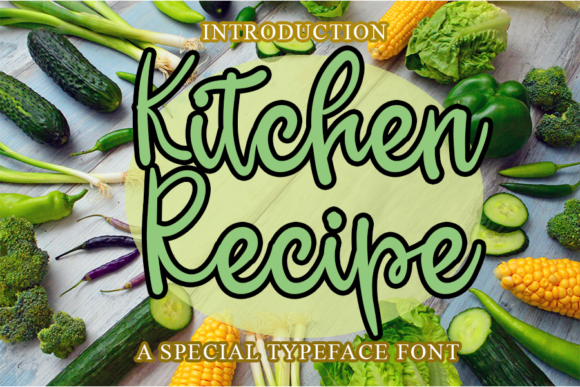
Kitchen Recipe is defined by its dainty and joyful appearance. Unlike rigid, geometric scripts or formal calligraphy, this font mimics the fluidity of handwriting found in personal notes, such as those written on recipe cards or in a diary. The strokes are light and organic, creating a visual rhythm that feels approachable rather than authoritative. The "sweet" quality of the letterforms suggests a gentle personality, while the "delicate" nature implies precision without heaviness.
The font's structure is designed to evoke a romantic and personalized touch. It avoids the stiffness of machine-generated text, instead offering the imperfections and variations associated with human creation. This makes it particularly effective for projects where the goal is to establish an emotional connection with the reader. By simulating the look of a hand-written note, the font bridges the gap between digital delivery and physical correspondence.
Ideal Use Cases and Applications
While many fonts serve general purposes, Kitchen Recipe excels in specific scenarios where a soft, intimate atmosphere is required. Its primary strength lies in contexts that demand a personal narrative or a celebration of relationships.
- Wedding Invitations: One of the most common applications for this typeface is wedding stationery. The romantic undertones of Kitchen Recipe complement the sentimental nature of marriage invitations. It works well for the names of the couple, the date, or introductory paragraphs where a warm welcome is essential.
- Greeting Cards: For birthdays, anniversaries, or holiday greetings, the dainty style of the font adds a layer of thoughtfulness. It transforms a standard digital message into something that feels like a cherished keepsake.
- Bakery and Food Branding: Given its name and aesthetic, Kitchen Recipe is naturally suited for businesses in the culinary space. A bakery, a home-cooking blog, or a food truck might use this font to suggest homemade quality and artisanal care.
- Personalized Merchandise: Items such as mugs, tote bags, or custom journals benefit from the unique character of the script. It allows for designs that feel curated and one-of-a-kind.
Benefits of Choosing Kitchen Recipe
There are several advantages to incorporating Kitchen Recipe into a design project. The most significant benefit is its ability to convey emotion quickly. In a landscape dominated by clean, corporate typography, a handwritten style stands out by introducing humanity and vulnerability.
Additionally, the font is highly versatile within its niche. While it is not suitable for large blocks of body text due to its decorative nature, it serves exceptionally well as a display font. It can be used effectively for headlines, pull quotes, or key information points where emphasis is needed. The joyous nature of the letters can also uplift a design, making it feel less static and more dynamic.
Tradeoffs and Limitations
Every font comes with limitations, and understanding these tradeoffs is crucial for making an informed decision. The primary constraint of Kitchen Recipe is legibility at small sizes or in dense paragraphs. Because the letterforms are delicate and feature varying stroke widths, reading long passages of text set entirely in this font can cause eye strain and reduce comprehension.
Another consideration is the consistency of the brand voice. If a project requires a tone that is professional, serious, or authoritative, Kitchen Recipe may undermine the message. Its playful and romantic nature can clash with content that demands objectivity or formality. Furthermore, because it mimics handwriting, it may lack the structural uniformity that some clients expect in technical or scientific documentation.
Situations Where Alternatives May Be Preferable
While Kitchen Recipe is excellent for specific romantic or personal themes, there are situations where other typefaces would be more appropriate. For instance, if the project involves legal documents, financial reports, or news articles, a neutral sans-serif or a traditional serif font would provide the necessary clarity and gravity.
Similarly, for modern tech startups or minimalist brands, the ornate details of Kitchen Recipe might appear too cluttered or old-fashioned. In these cases, a cleaner, more geometric script or a bold, contemporary typeface would better reflect the brand identity. Designers should also consider the target demographic; if the audience is primarily male or prefers a rugged aesthetic, the dainty qualities of this font might not resonate as intended.
Practical Decision-Making Insights
To determine whether Kitchen Recipe is the right choice for your project, consider the hierarchy of your content. The most effective use of this font is typically as a supporting element rather than the primary vehicle for information. Pairing Kitchen Recipe with a highly readable sans-serif or serif body font can create a balanced composition that leverages the best qualities of both styles.
Before finalizing the selection, test the font across different mediums. Evaluate how it renders on mobile screens, where screen resolution and size can impact the visibility of delicate strokes. Additionally, review the kerning and spacing, as handwritten fonts sometimes require manual adjustment to ensure words do not appear too tight or disjointed.
Ultimately, the decision should rest on the emotional response you wish to elicit. If the goal is to make the viewer feel welcomed, cherished, or nostalgic, Kitchen Recipe is a strong candidate. However, if the priority is speed of reading or strict adherence to a minimalist aesthetic, it is advisable to explore alternatives that prioritize function over form.
Conclusion
Kitchen Recipe offers a unique solution for designers seeking to inject romance and personality into their work. Its sweet and delicate nature makes it ideal for weddings, cards, and branding that values a human touch. By weighing its benefits against its limitations regarding legibility and tone, creators can make strategic decisions that enhance their overall design strategy. When used appropriately, this font transforms standard layouts into memorable experiences.